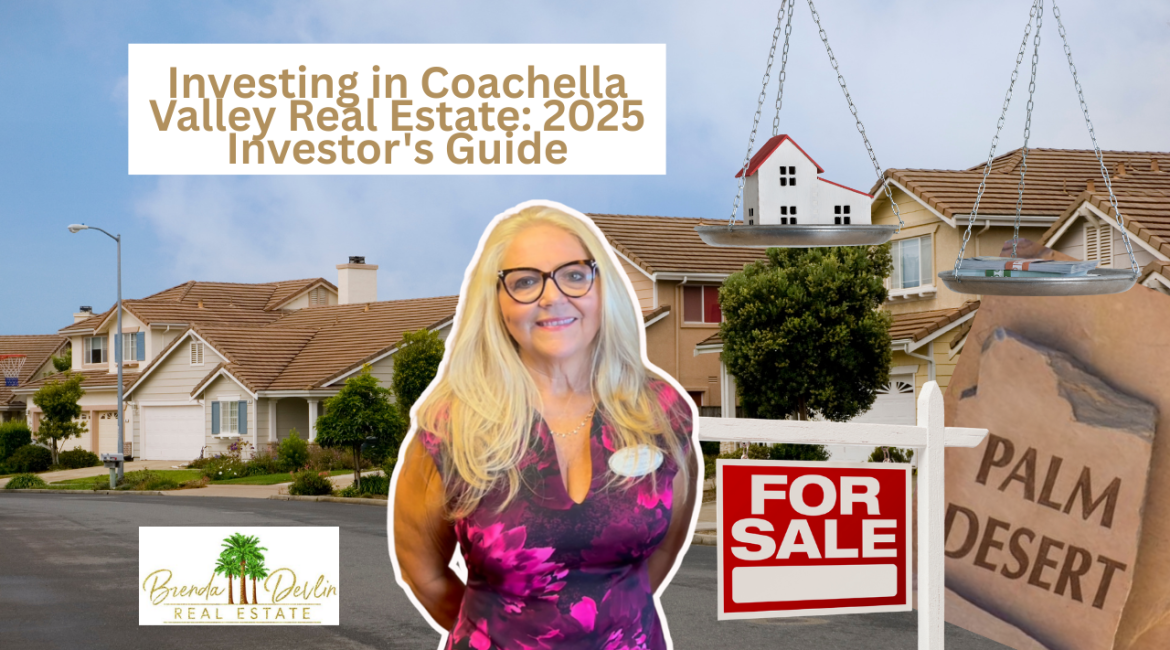
The Coachella Valley has emerged as one of California’s most attractive real estate investment markets. With major events like Coachella and Stagecoach festivals, BNP Paribas Open tennis tournament, and 10+ million annual visitors, the demand for vacation rentals and second homes continues to grow. Having guided investors through 85+ investment property purchases over my 23-year career, I’ll share the data and strategies that lead to successful desert investments.
If you want a wider view of pricing, inventory, and buyer activity across the region, start with the latest Coachella Valley real estate market report before narrowing your investment strategy.
Why Invest in Coachella Valley Real Estate?
Let’s start with the fundamentals that make this market compelling for investors:
- 10+ million annual visitors to the Coachella Valley
- 5.1% average annual appreciation (2019-2024)
- Major events drive premium rental rates: Coachella, Stagecoach, BNP Paribas, PGA tournaments
- Limited buildable land constraints new supply
- Growing population of remote workers and retirees
- No state income tax on rental income for non-CA residents (compared to primary home)
- Palm Springs International Airport expanding with new routes
Investment Strategy #1: Vacation Rentals (STR)
Short-term vacation rentals represent the highest income potential – and highest management complexity. Here’s the current landscape:
**Market Reality:** Palm Desert, Indian Wells, and Rancho Mirage have banned or severely restricted STRs in residential zones. Palm Springs and La Quinta allow STRs with permits and regulations. Cathedral City and Desert Hot Springs have more permissive rules but lower rental rates.
**Income Potential (2024 Data for permitted areas):**
- 3BR/2BA Palm Springs home ($550K value): $65,000-$95,000 gross annual rental income
- 4BR/3BA La Quinta pool home ($750K value): $85,000-$120,000 gross annual income
- Event premium weeks: Coachella/Stagecoach command $1,500-$5,000/night
- Peak season (Oct-Apr) occupancy: 70-85%
- Summer occupancy: 35-50% at reduced rates
- Net cash flow after expenses: 6-10% cap rate typical
**Expenses to Budget:** Property management (20-30% of gross), cleaning fees (often passed to guests), utilities ($300-$600/month average), pool/landscape ($400-$700/month), insurance (25-40% higher than primary residence), TOT tax (11-13% varies by city), HOA if applicable, repairs and furnishings reserve.
If Palm Desert is on your shortlist, review the current short-term rental rules in Palm Desert gated communities before you assume a vacation-rental strategy will work there.
Investment Strategy #2: Long-Term Rentals
For investors seeking steady income with minimal management, long-term rentals offer stability:
**Current Rental Market (2024-2025):**
- 2BR/2BA condo: $1,800-$2,400/month
- 3BR/2BA single-family: $2,400-$3,500/month
- 4BR/3BA with pool: $3,500-$5,000/month
- Luxury homes ($1M+ value): $5,000-$12,000/month
- Average vacancy rate: 4.2% (very low)
- Year-over-year rent growth: 6.8%
**Typical Returns:** Cap rates for long-term rentals range from 4-6% in Palm Desert to 5-7% in Cathedral City and Desert Hot Springs. While lower than STR potential, you avoid the management intensity, seasonal fluctuations, and regulatory uncertainty of vacation rentals.
If you’re leaning toward Palm Desert for a long-term rental, my guide to the best neighborhoods in Palm Desert can help you compare lifestyle, demand, and broader buyer appeal.
Investment Strategy #3: Appreciation Play
Some investors focus primarily on appreciation, using the property occasionally while building equity. This works particularly well in the Coachella Valley given consistent appreciation trends:
**Historical Appreciation (Median Home Prices):**
- 2019: $385,000
- 2020: $398,000 (+3.4%)
- 2021: $475,000 (+19.3%)
- 2022: $565,000 (+18.9%)
- 2023: $530,000 (-6.2% correction)
- 2024: $547,000 (+3.2%)
- 5-Year Total: +42.1% appreciation
**Best Appreciation Areas (2024):** Desert Willow +5.8%, Indian Wells +5.2%, University Park +5.2%, Rancho Mirage +4.8%. Properties with mountain views, golf course frontage, and modern updates consistently outperform.
For a closer look at upper-end demand and pricing patterns in two of the valley’s strongest premium markets, read my Rancho Mirage and Indian Wells luxury market analysis.
Investment Property Analysis: Real Examples
Let me walk through two actual investment scenarios I helped clients execute in 2024:
**Example 1: Palm Springs Vacation Rental** – Purchase price: $625,000. 3BR/2BA mid-century modern with pool. Fully furnished investment: $75,000. Total investment: $700,000. Gross rental income Year 1: $78,000. Expenses (management, utilities, maintenance, taxes, insurance): $31,000. Net operating income: $47,000. Cap rate: 6.7%. With 25% down ($175,000), cash-on-cash return: 12.4%.
**Example 2: Palm Desert Long-Term Rental** – Purchase price: $485,000. 3BR/2BA single-family in University Park. Annual rent: $36,000 ($3,000/month). Expenses: $14,400 (taxes, insurance, maintenance, management). Net operating income: $21,600. Cap rate: 4.5%. With 25% down ($121,250), cash-on-cash return: 7.2%. Plus 5.2% appreciation = total return: 12.4%.
If you want help evaluating neighborhoods, rental fit, and long-term resale appeal in Palm Desert, learn more about working with a Palm Desert real estate agent for gated golf communities who understands how these communities perform in real life.
Critical Factors for Success
After 85+ investment property transactions, here are the factors that separate successful investments from disappointments:
- Location within location: Pool homes outperform, mountain views command premium
- STR regulations: Verify permit availability BEFORE purchasing – rules change frequently
- HOA restrictions: Many HOAs prohibit or limit rentals – read CC&Rs carefully
- Property condition: Deferred maintenance destroys returns – factor repair costs accurately
- Professional management: Self-managing from out of state rarely works long-term
- Reserve funds: Budget 10-15% of gross income for unexpected expenses
- Exit strategy: Buy properties that appeal to both investors and primary home buyers
Because deferred maintenance can destroy returns, it also helps to follow a practical desert home maintenance checklist so you can budget ownership costs more accurately.
2025 Investment Outlook
 Looking ahead, several factors will shape Coachella Valley investment returns:
**Positive Factors:** Continued remote work trends bringing more visitors and residents. Major events growing (Coachella expanded, new sports venues planned). Palm Springs airport adding routes. Limited new construction maintaining supply constraints. Baby boomer retirement wave continuing.
**Challenges:** Rising insurance costs (up 25% in 2024). Interest rates affecting financing costs. STR regulation tightening in more cities. Competition from new investor entrants. Climate concerns (extreme heat, water) gaining attention.
**My Forecast:** 3-5% appreciation in 2025 across the valley. Vacation rental income stable to slightly up. Long-term rents increasing 4-6%. Best opportunities in the $400,000-$700,000 range where buyer pools are largest.
Partner with a Local Investment Expert
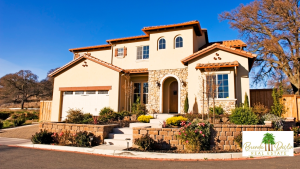 Real estate investment requires local expertise – understanding which streets rent well, which HOAs allow rentals, where regulations are changing, and how to accurately project returns. With 23 years in the Coachella Valley and 85+ investment transactions, I provide the guidance that turns good investments into great ones.
If you want to review returns, regulations, and neighborhood fit before making your next move, you can contact me for a confidential consultation tailored to your investment goals.
**Ready to explore investment opportunities in Coachella Valley?** Let’s discuss your investment goals, risk tolerance, and preferred strategy. Call me at (760) 861-2498 or email br****@********re.com for a confidential consultation. I’ll share current opportunities, detailed analysis, and help you build wealth through desert real estate.
FAQs
What is the best investment strategy in the Coachella Valley: short-term rental, long-term rental, or appreciation?
- It depends on your risk tolerance and management style. This page presents short-term rentals as the highest-income but highest-complexity option, long-term rentals as steadier and easier to manage, and appreciation plays as the strategy for investors who care more about long-term equity growth than current cash flow.
Are short-term rentals allowed everywhere in the Coachella Valley?
- No. This page explicitly says that rules vary sharply by city and community, and that some places — including Palm Desert, Indian Wells, and Rancho Mirage — have banned or heavily restricted STRs in residential areas. That means buyers should verify both city rules and HOA rules before assuming a vacation-rental strategy will work.
What matters most when choosing an investment property in the Coachella Valley?
- The most important factors are location, HOA restrictions, permit rules, maintenance risk, and exit strategy. This page is clear that the wrong street, the wrong HOA, or the wrong ownership assumptions can hurt returns more than broad market trends can help them.
Is Palm Desert a good place for long-term rental investing?
- Yes, Palm Desert can work well for long-term rental investors, especially those who want a more stable and lower-management strategy. This page uses a Palm Desert long-term rental example to show how cash flow and appreciation can combine, while also emphasizing that neighborhood fit and resale appeal still matter.